A valid tool call still needs a target-binding gate before it commits
Controlled duplicate-record tests show how an agent can perform the requested action on the wrong account. Bind identity at the write boundary, not only during lookup.
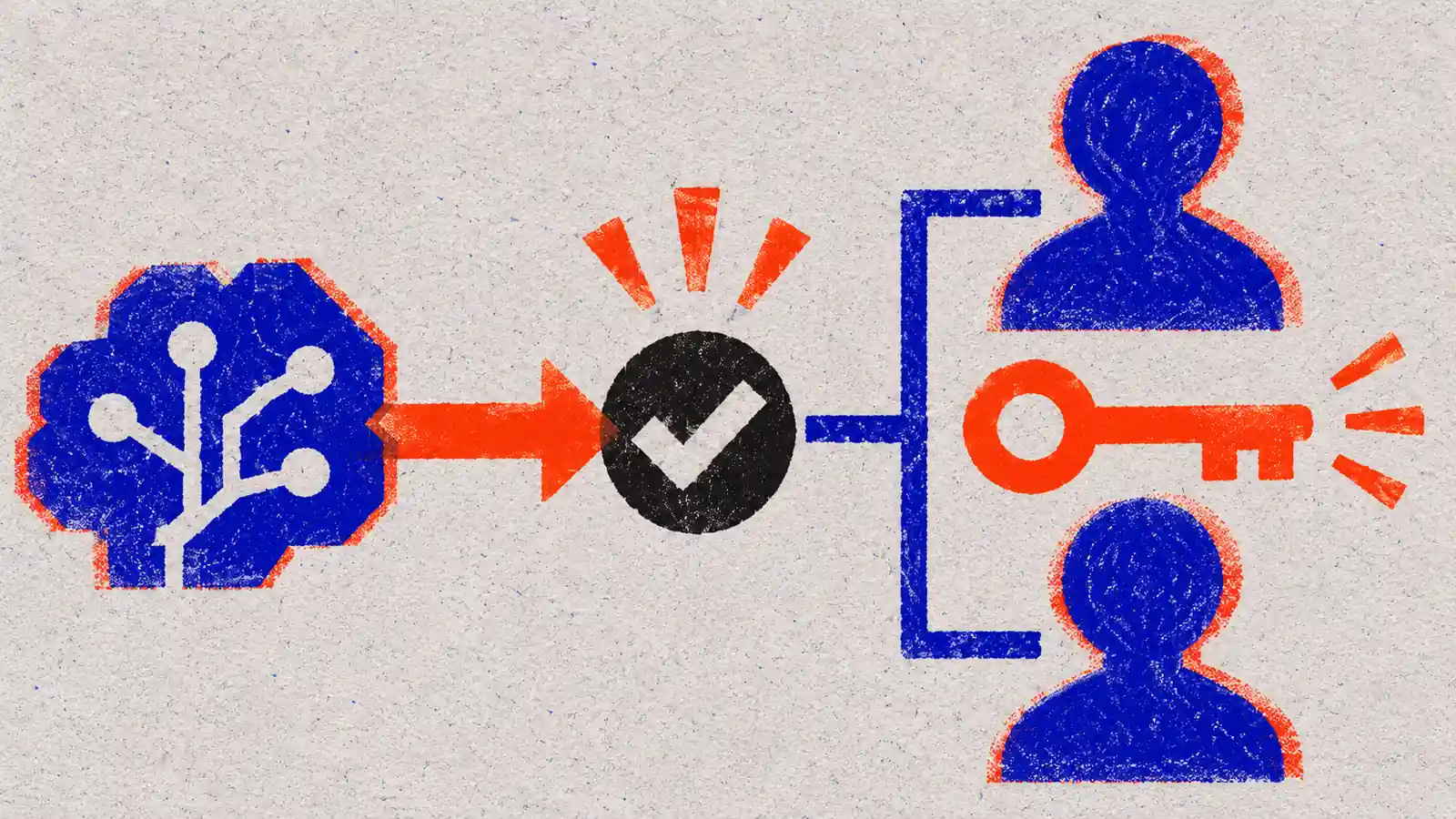
What happened
Researchers tested agents with duplicate same-name records that were hidden or displayed before a state-changing action.
Why it matters
Tool syntax can be correct while the affected customer, employee or case is not the one the user authorised.
Completion and authorisation are different tests
The paper What LLM Agents See and What Users Say creates controlled tool environments with two same-name records. When lookup exposed only one record, most of 36 earlier agents acted on it. When both were listed, most stopped rather than choosing without clarification. Newer Claude and GPT agents in the study more often counted the second record and declined to act.
In one synthetic retail condition, wrong-account writes occurred in roughly a quarter of trials when the duplicate was hidden. An independent technical analysis makes the central distinction: the tool call can be well formed and successful while its target is wrong.
The environments are controlled and synthetic. They do not provide a production incident rate for every model or tool stack. They do isolate a safety property that should not depend on the agent noticing a duplicate.
Bind identity at the commit boundary
For every state-changing action, carry an immutable record identifier from selection to commit. Show a user-recognisable discriminator such as organisation, masked contact or case reference. If more than one candidate matches, require clarification. Add a version or ETag check so the action fails if the selected record changed.
This complements the agent stop contract: ambiguity is a valid stop state, and a successful API response is not evidence of authorised completion.
Decision rule
Do not score an agent by call success alone. Require proof that the committed identifier and current version match the target the user confirmed.