Australia’s smart-glasses debate needs capability-by-space workplace rules
Reports say the government is considering restrictions in public offices. A workable policy should govern recording, recognition and data flow by space while protecting legitimate accessibility uses.
What happened
Reuters and the Guardian reported that Australia was considering restrictions on smart glasses in government buildings after privacy and security concerns.
Why it matters
Camera-equipped wearables collapse several controls—recording, identification, storage and accessibility—into one object, so a simple device ban can be both underinclusive and overbroad.
Reuters reported that Australia was considering restrictions on smart glasses in government buildings. The Guardian separately reported the consideration and concerns about recording, facial recognition and sensitive spaces. No opened source establishes that a final ban has been enacted.
The policy context is already broader than wearables. Australia’s Digital Transformation Agency says covered agencies must assess and oversee AI use cases, maintain registers, assign accountable owners and create incident and reporting pathways. Smart glasses add a practical challenge: a device can look ordinary while sensing, processing and transmitting information across physical boundaries.
Regulate capabilities in places
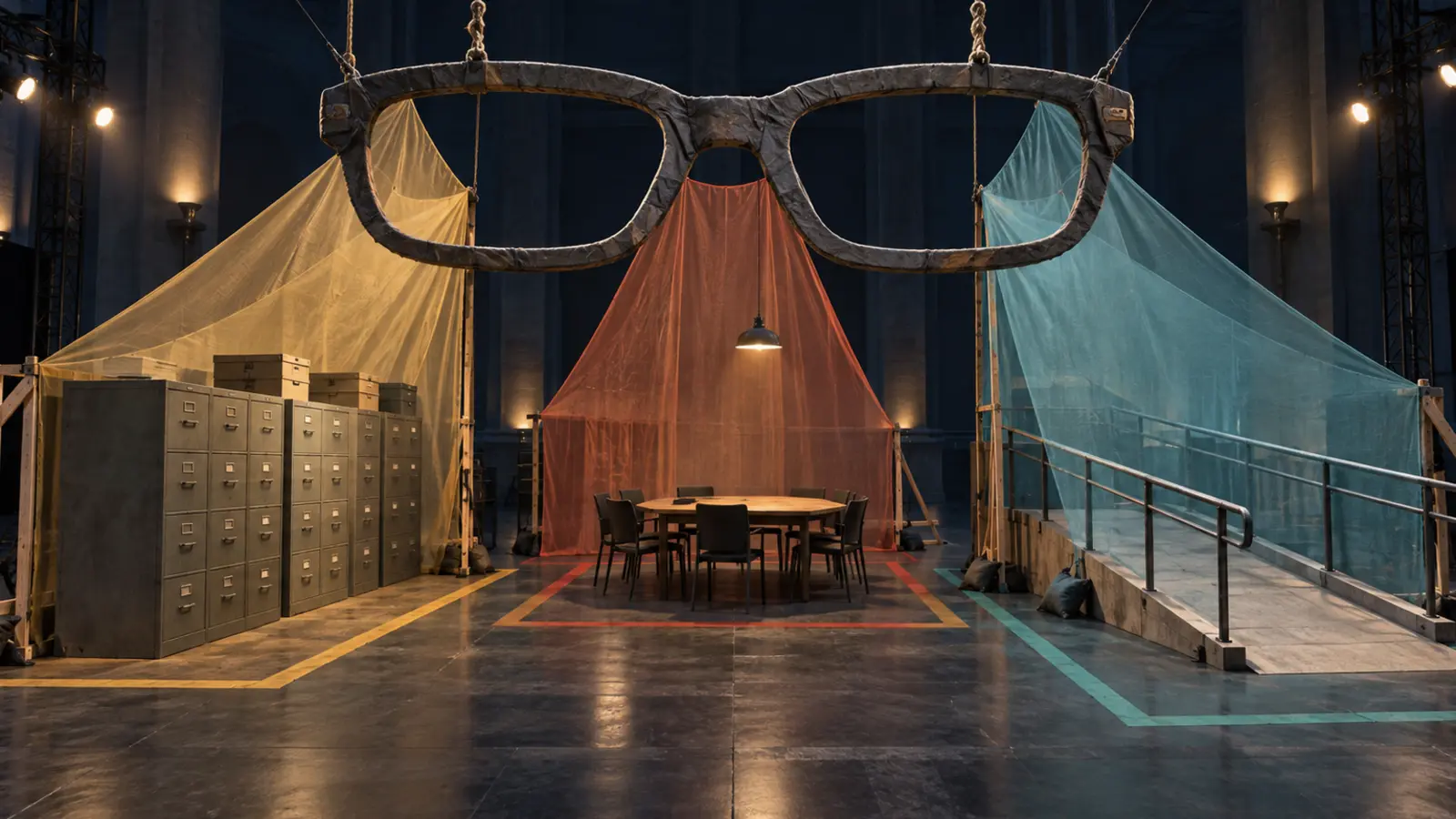
A workable rule begins with capabilities: continuous or triggered capture, audio recording, facial or object recognition, live assistance, local storage, cloud transfer and remote viewing. It then maps those capabilities to spaces. Public lobbies, ordinary meeting rooms, secure records areas, service counters and private welfare conversations have different expectations and consequences.
For each combination, define allowed, restricted and prohibited modes. A glasses frame with every sensor disabled may be acceptable where active recording is not. Conversely, banning one product name misses phones, badges and future wearables with the same capability. Signs and staff guidance should describe the action being controlled, not assume observers can identify the hardware model.
Accessibility requires a designed exception, not an afterthought. Wearables may support low vision, hearing, memory or hands-free work. An exception process should identify the needed function, minimise unrelated capture, document consent where relevant and provide a fast decision. A blanket rule that forces a person to disclose disability repeatedly or lose equivalent support creates its own risk.
Build evidence and enforcement
Agencies need a device declaration, zone map, technical configuration record and incident route. Procurement and managed-device teams should verify whether recording indicators are reliable, whether data leaves the device and whether administrators can enforce modes. Managers need a response for accidental capture that preserves evidence without demanding unsafe inspection of a personal device.
Counterevidence runs both ways. Product marketing may overstate safety controls, while a dramatic ban may overstate what visible glasses alone contribute relative to phones and other sensors. The policy should be reviewed against incidents, accessibility decisions and technical changes. It should also distinguish government employees, contractors, visitors and members of the public, because authority and remedies differ.
The Skills Atlas can support privacy judgement, device administration and frontline escalation. Before announcing a blanket rule, test three scenarios: an employee entering a secure records area, a visitor at a service counter and a worker using an approved accessibility feature. If staff cannot explain the permitted capability, evidence and exception path for each, the rule is not ready.
Define the operating boundary before the device list
A capability matrix also exposes ownership gaps. Facilities teams know the space, security teams know the threat model, privacy teams understand collection and retention, accessibility specialists understand accommodation, and IT can verify managed configurations. None can write the rule alone. Assign one accountable policy owner, but require evidence from each function and a frontline representative before a zone changes classification.
Training should use visible cues and response scripts. Staff need to know what to ask when a device enters a restricted zone, how to offer a non-recording alternative, when to call security and how to avoid confrontation. Log denials, exceptions and incidents separately. A rising number of exception requests may reveal an accessibility need or an obsolete zone design, while incidents may reveal a control failure. Neither should be hidden inside a generic compliance count. Publish review dates and one contact point so workers and visitors can challenge a classification without improvising at the doorway.