Microsoft’s 60,000 eligible employees are not 60,000 exits
A broad voluntary offer creates workforce uncertainty before it creates a departure count, so leaders need an eligibility-to-capability funnel rather than a headline headcount assumption.
What happened
Microsoft announced a Voluntary Exit Offer on 26 October 2026 for eligible employees at level 70 and below in participating organisations across Canada, India, the United Kingdom and the United States; the company confirmed that about 60,000 employees were eligible.
Why it matters
Eligibility, acceptance, departure, role removal and capability loss are different events, and collapsing them can distort hiring, learning, succession and service-continuity decisions.
What was announced
Microsoft introduced a Voluntary Exit Offer for eligible employees at level 70 and below in participating organisations across Canada, India, the United Kingdom and the United States. The company describes it as a supported choice for people considering a future outside Microsoft and as one way for participating organisations to adapt. Reuters reports that Microsoft confirmed about 60,000 employees were eligible.
That is roughly 27% of the approximately 223,000 full-time employees Microsoft reported at 30 June 2026. It is not a forecast that 60,000 people will leave. The announcement did not publish a final acceptance rate, departure count, team-level distribution or the disposition of roles after departures. Participating organisations also differ, so one global ratio cannot describe every capability area.
The denominator problem
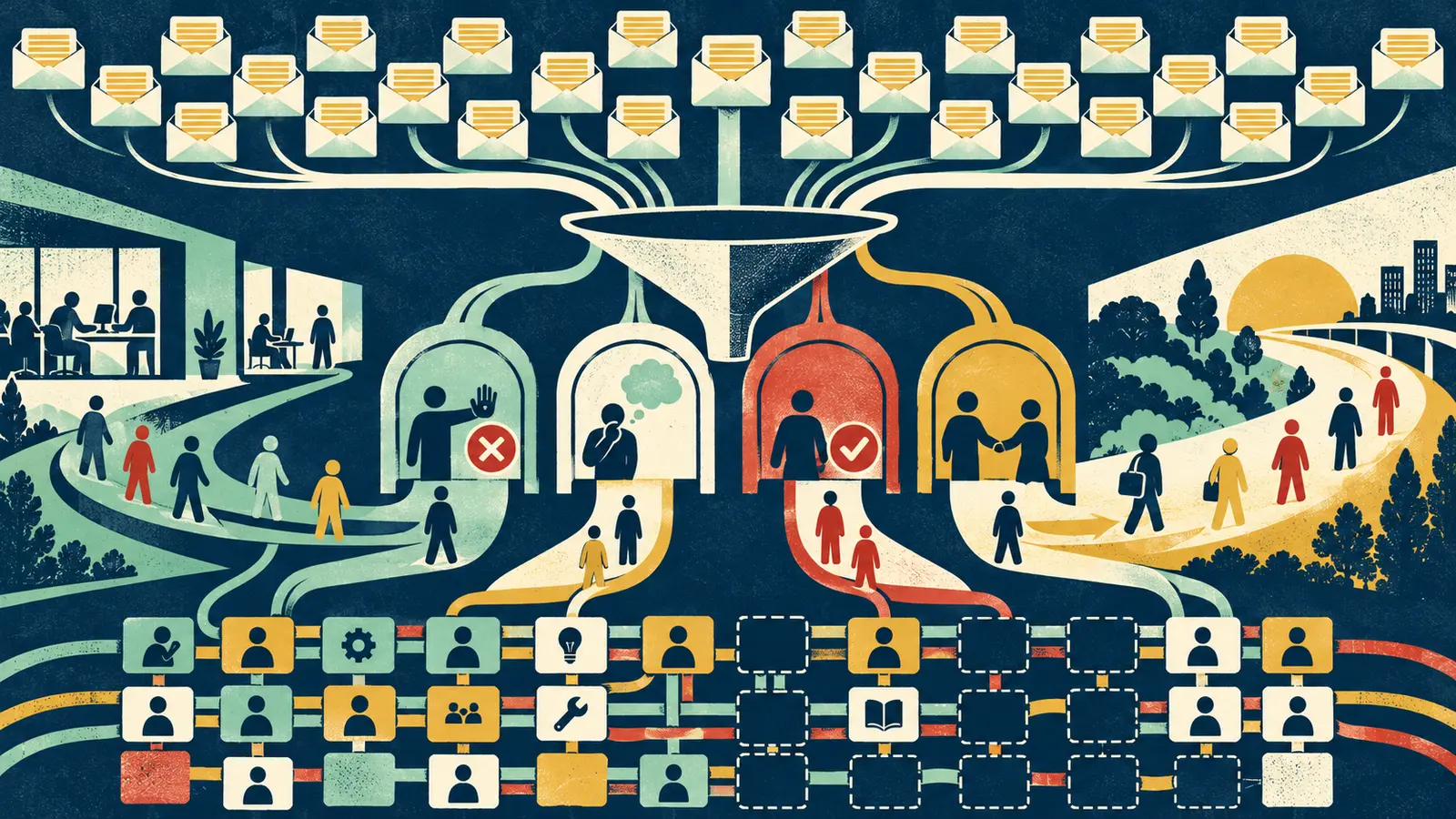
Eligibility is the top of a funnel. An employee must receive an offer, decide, accept, complete the process and leave before a departure is observed. A role may then be removed, redesigned, backfilled or covered by a redeployed worker. Capability can be lost, retained elsewhere or changed. Treating the first number as the last compresses several decisions into one headline.
Reuters places the offer in a cost-control and AI-investment context. That is relevant for scenario planning, but it does not establish that AI caused each potential exit or that eligible work will be automated. Business mix, duplication, geographic structure, management layers and individual choice can all affect the flow. The company also says it will continue helping employees build skills and find internal opportunities where appropriate.
Build the exit funnel
Create a weekly record by country, organisation and critical capability. Track employees eligible, offers delivered, decisions pending, acceptances, withdrawals, completed departures and appeals or exceptions. Then add the role disposition: removed, redesigned, backfilled, transferred or still undecided. Keep voluntary and involuntary flows separate and apply local legal and privacy controls.
Capability coverage belongs beside the people count. Name service obligations, single points of failure, succession depth, pending projects, regulated responsibilities and time-to-competence for replacements. Watch whether departures cluster in a skill, manager layer, location or tenure band. Do not use the funnel to pressure individuals; use it to protect continuity and test whether support reaches people who choose to leave or stay.
Scenarios should use ranges, not a single assumed take-up. Set a low, central and high acceptance case, then update them with actual decisions. Trigger hiring, contractor, learning or transfer actions only when a capability threshold is crossed. Record the owner and expiry date for each action so a temporary response does not become an unexamined structure.
The funnel also needs an employee-experience check. Measure whether eligible people receive terms at the same decision stage, whether managers give consistent access to internal roles, and whether support is available across countries. Separate a person’s choice from management’s later decision about the role. Aggregate reporting should protect privacy and avoid ranking teams by acceptance rate, which could create pressure. Ask worker representatives and local legal reviewers to test the process, then record corrections without retroactively rewriting the original denominator.
Keep the workforce plan reversible until the acceptance window closes and actual departures are confirmed. Prematurely cancelling vacancies or training places can create a second capability shock even when take-up is lower than the planning assumption.
Decision rule
Do not change annual hiring, learning or succession capacity because 60,000 employees are eligible. Require an eligibility-to-capability funnel with actual acceptance, role disposition, coverage thresholds and country-specific constraints. If those fields are unknown, label the scenario uncertain rather than converting eligibility into exits. This extends Skills Intelligence’s earlier case for gross-flow workforce planning to a voluntary offer before the flows have occurred.