AI-found vulnerabilities put remediation capacity to the test
The PHP response required maintainers, researchers, cloud and security providers, government coordinators and operators. Finding the flaw was only the first handoff.
What happened
PHP released fixes for two critical runtime vulnerabilities after a coordinated disclosure involving AI-assisted researchers, maintainers, infrastructure providers and government agencies.
Why it matters
If discovery accelerates faster than validation, patching and deployment, the bottleneck moves from finding bugs to staffing and coordinating the response chain.
The discovery did not repair the installed base
PHP released updates on 21 October for two critical runtime vulnerabilities. OpenAI's Patch the Planet account says Calif identified one flaw using GPT-5.6 Sol and that Wiz independently found and reported both vulnerabilities. PHP maintainers led the fixes, while researchers, cloud and security providers prepared tests, guidance and mitigations before disclosure.
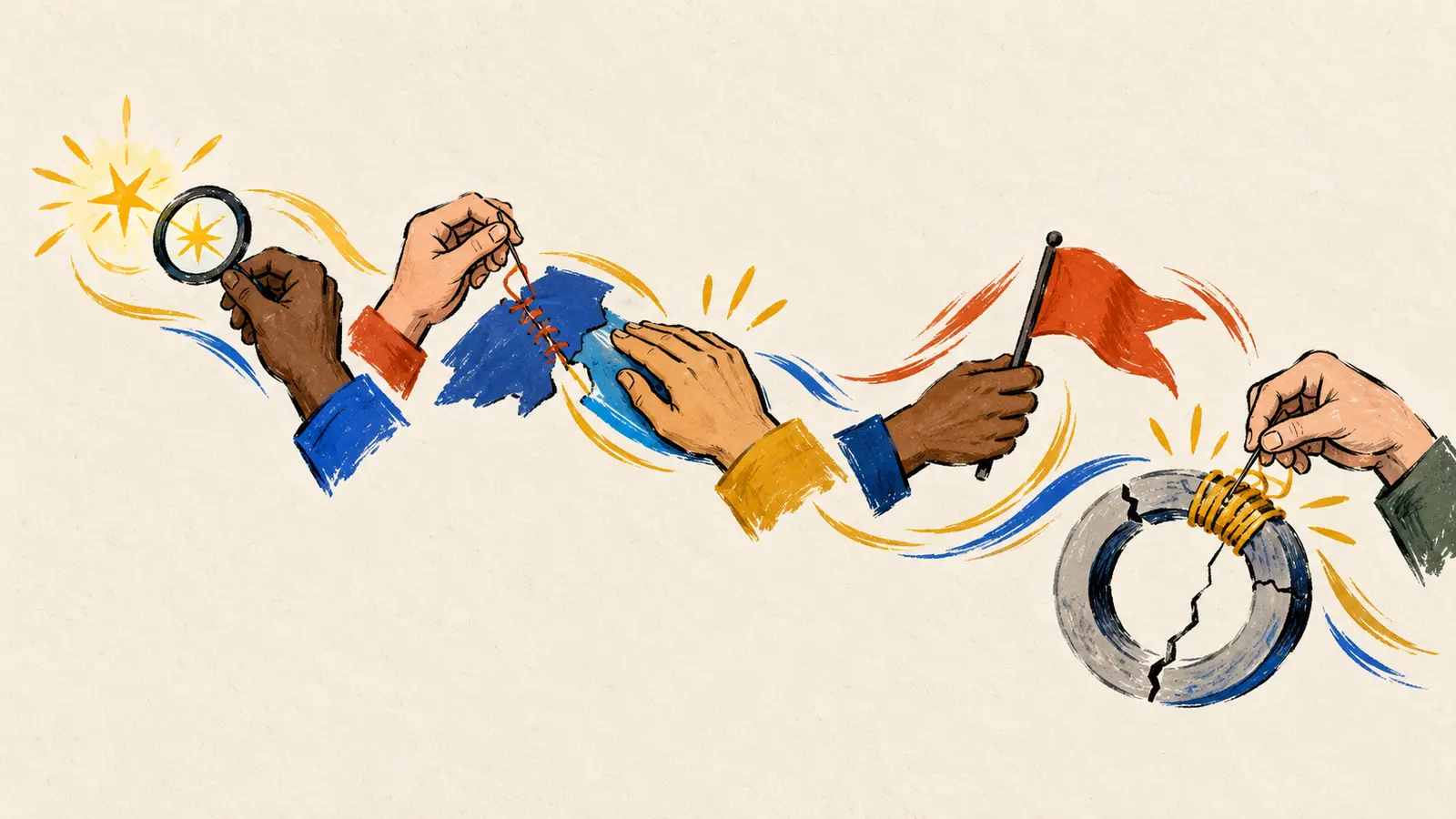
The division of labour is the important signal. OpenAI describes five stages: validate and fix upstream; give affected organisations time to prepare; coordinate with government partners; prepare updates across products; then publish guidance and support deployment. Each stage needs different authority and skills. A model can help search code or test variants, but it cannot own a maintainer's release, a cloud provider's mitigation, an operator's maintenance window or a forensic decision.
Independent reporting exposes why that chain matters. Reuters reported that PHP shipped four updates covering two critical vulnerabilities and acknowledged that early signs of one flaw had been raised in 2024 without a concrete exploit path. The PHP Foundation called the delay a structural failure. CISA urged immediate updating and said it had not observed exploitation at publication; other providers reported attack traffic against their own customers. Those statements concern different observation points and should not be collapsed into one global exploitation claim.
Cloudflare said it deployed mitigations roughly nine hours before public disclosure and observed attackers mutating payloads. It also said request-only rules were insufficient, so it combined request and response signals. The company still told customers to patch because WAF rules are defence in depth, not complete remediation. Wiz's technical account similarly says the update is the complete fix and warns that the flaw sits below application-level logging.
Build a capacity map before the next finding
For a software owner, the immediate action is to map the response chain before an AI-assisted finding arrives. Name the person or team authorised to receive a sensitive report, reproduce it, contact upstream maintainers, decide which distributors and providers need advance notice, issue temporary controls, patch supported and legacy versions, deploy across the fleet and assess possible pre-patch compromise. Add an escalation path for a leak or public patch that compresses the window.
Track a small set of operational quantities: affected assets discovered; assets with a compatible update; assets mitigated but not patched; patches deployed; patched versions verified at runtime; systems isolated; exceptions with an owner and expiry; and systems that received forensic review. Measure time between handoffs, not only time from discovery to advisory. A fast announcement can coexist with slow fleet remediation.
The map should also distinguish a maintainer's scarce capacity from an operator's backlog. A project may have a correct upstream patch while downstream distributions, managed services and individual organisations move at different speeds. Record the oldest supported branch, the owner of backports and the date each provider's image or package became available. For critical services, rehearse how to isolate an unpatchable instance without losing evidence. These are workforce and operating-model requirements, not properties that a stronger vulnerability-finding model supplies automatically.
The counterargument is that a detailed map creates bureaucracy around emergency work. The remedy is proportionality. A small project may combine roles, but it should still separate the decisions: validate, disclose, release, deploy and verify. Larger users need supplier and hosting contacts, maintenance authority and an evidence path from a vulnerable component to each running service. Where the component inventory is incomplete, that gap is itself a blocking dependency.
This extends the earlier cyber-agent approval latency from tool authority to incident operations. AI can compress technical discovery, yet the protective outcome depends on human and organisational throughput across the whole chain. The decision is therefore to fund maintainer and remediation capacity alongside vulnerability-finding capability. Otherwise, faster discovery may simply produce a longer queue of urgent findings.