Local AI still needs a containment drill
Microsoft’s new Windows AI hardware and agent features move more inference onto the device. Endpoint teams should test permission boundaries, rollback and evidence capture before scale.
What happened
Microsoft announced new Windows and Surface AI capabilities on 7 October, including local agent execution supported by Nvidia hardware and expanded on-device processing.
Why it matters
Moving inference onto a laptop can reduce some network exposure, but it also shifts control work to endpoint configuration, local data stores and recovery procedures.
Microsoft announced new Windows and Surface AI capabilities on 7 October, including more on-device processing and agent functions. Reuters reported that Microsoft and Nvidia presented new AI laptop hardware and software together.
Practise the boundary, not the slogan
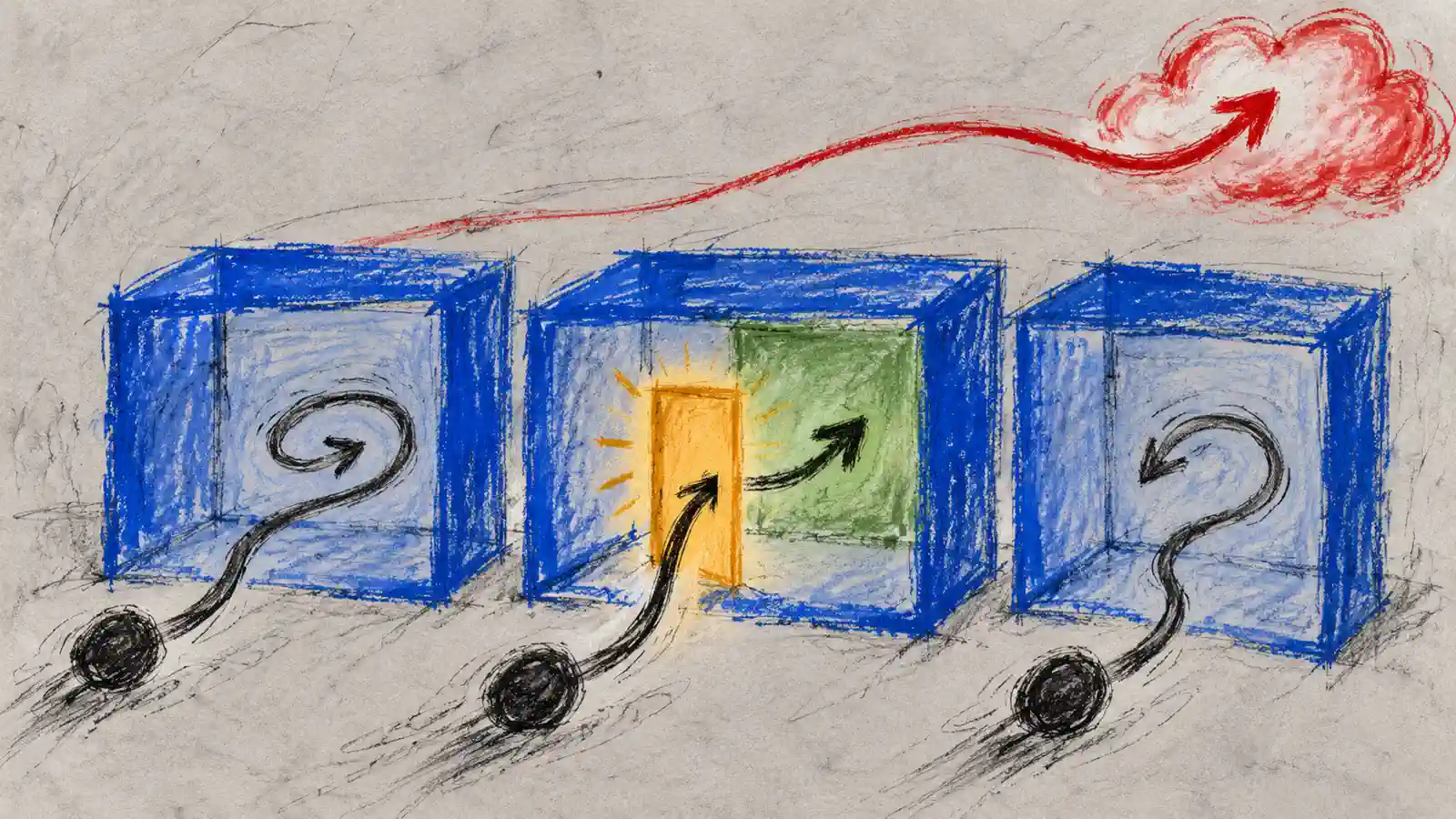
“Local” describes where some computation occurs; it does not establish containment. An agent may still call cloud services, read synced folders, invoke local applications or retain sensitive material in caches. Endpoint teams should map the full path for prompts, retrieved files, temporary artifacts, model updates and telemetry. For each path, name the owner and the evidence available after an incident.
Use a standard laptop image to run three drills before broad deployment. First, deny one connector and confirm the agent fails closed without copying data elsewhere. Second, revoke a user or device credential during a task and confirm queued actions stop. Third, restore the machine after a harmful authorised action and verify that logs, file versions and approval records remain available. Repeat after major model, driver or policy changes.
Vendor demonstrations do not establish comparative security, reliability or productivity. Local execution may improve latency or reduce certain transfers, while increasing patching, model inventory and physical-device risks. Results will vary with hardware, workloads and administrator policy. Use the failure-path approach in Nvidia’s agent containment failure path to assign operational ownership. Track blocked action attempts, stale models, rollback time and unexplained local data retention. The relevant skill is not merely deploying an AI PC; it is proving that an endpoint team can constrain and recover the agent under realistic conditions.