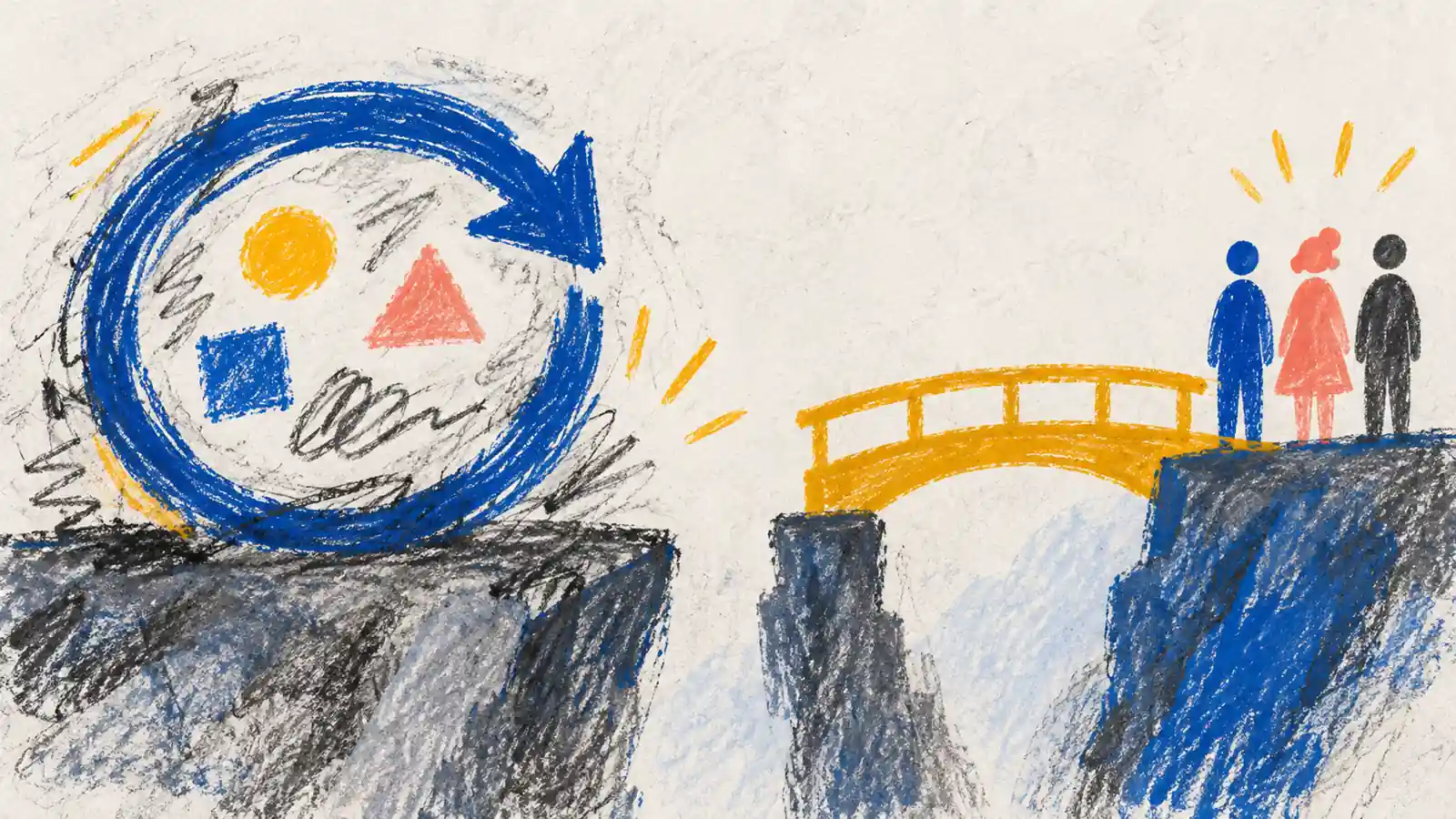
A simulated learner can tune a tutor, not validate one
StudentSim models how 60 learners answer and revise across chess, English writing and mathematics. Its proper place is before a human study—not in place of one.
Which tasks have become newly feasible, cheaper, more reliable, or more autonomous?
StudentSim models how 60 learners answer and revise across chess, English writing and mathematics. Its proper place is before a human study—not in place of one.
A new preprint turns vague promises such as “every action is logged” into claim contracts: policy, scope, records, writers and a decision rule fixed before evaluation.
A census found public safety-test results for 31 of 857 Chinese AI-model releases. Procurement teams should treat the denominator as an evidence-availability measure, not a safety score.
Muse Wonder adds a new frontier-model option with published pricing and benchmark claims. Test one bounded workflow for reliability, permissions and cost before changing a default.
A cryptomining campaign used public services, rotating infrastructure and a poem-hosted address trick. The workforce decision is simple: assign ownership and patch evidence for every exposed AI endpoint.
US developers may again give Britain’s AI Security Institute early model access. Permission is only the first control; evaluation still needs defined assets, timing, disclosure and remediation.
ARTEX’s developer stopped public updates after the tool was linked to attacks on South Korean banks. Maintainers need an incident handoff for deployed copies, indicators and downstream defenders.
TCS says it is building a governance layer for its own, client and third-party agents. Buyers should test the effective path across vendors instead of treating one dashboard as control.
China’s new guidance pairs industrial AI experimentation with warnings against bubbles and duplication. Pilot owners should define evidence thresholds for scale, redesign or stop.