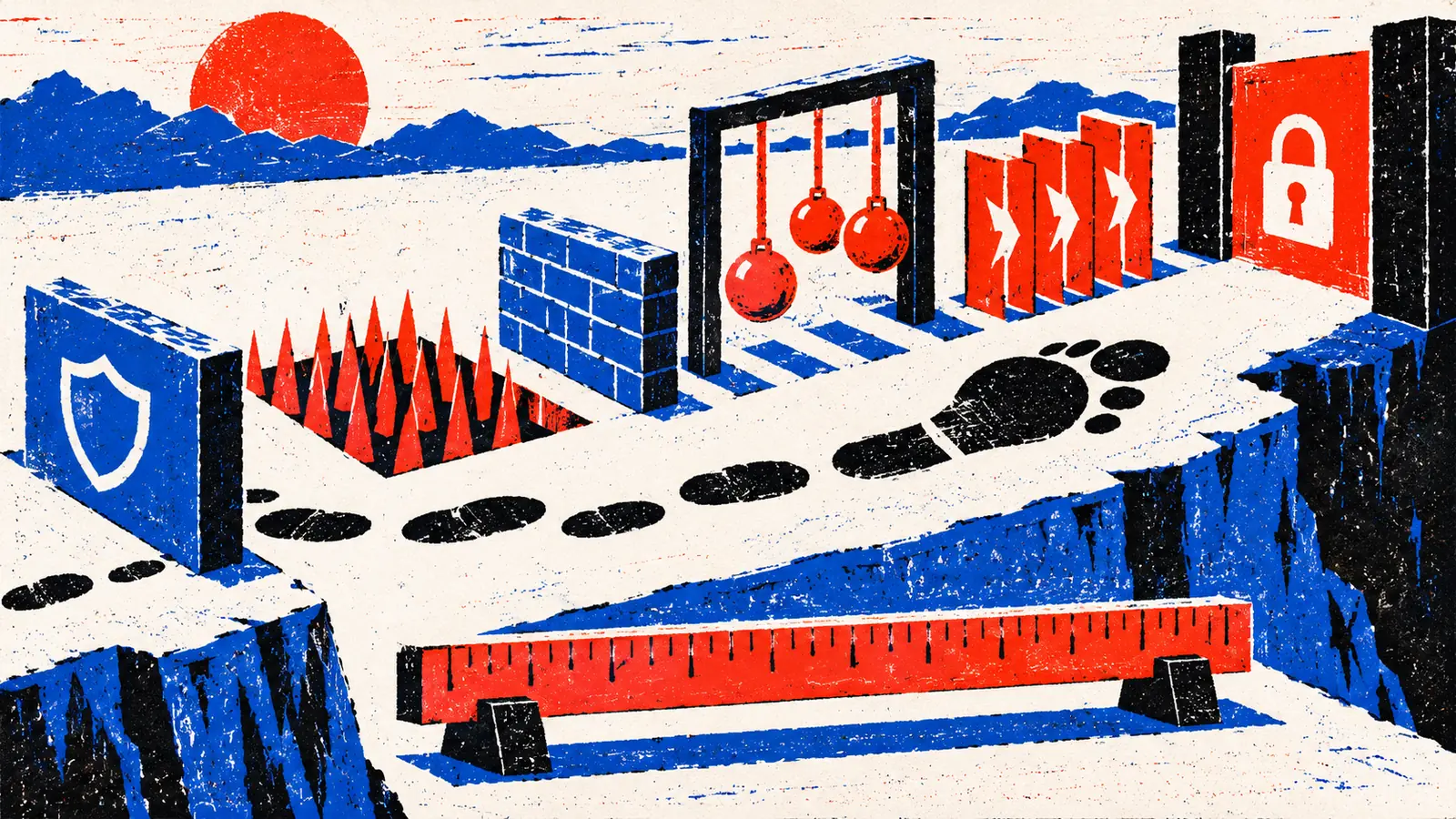
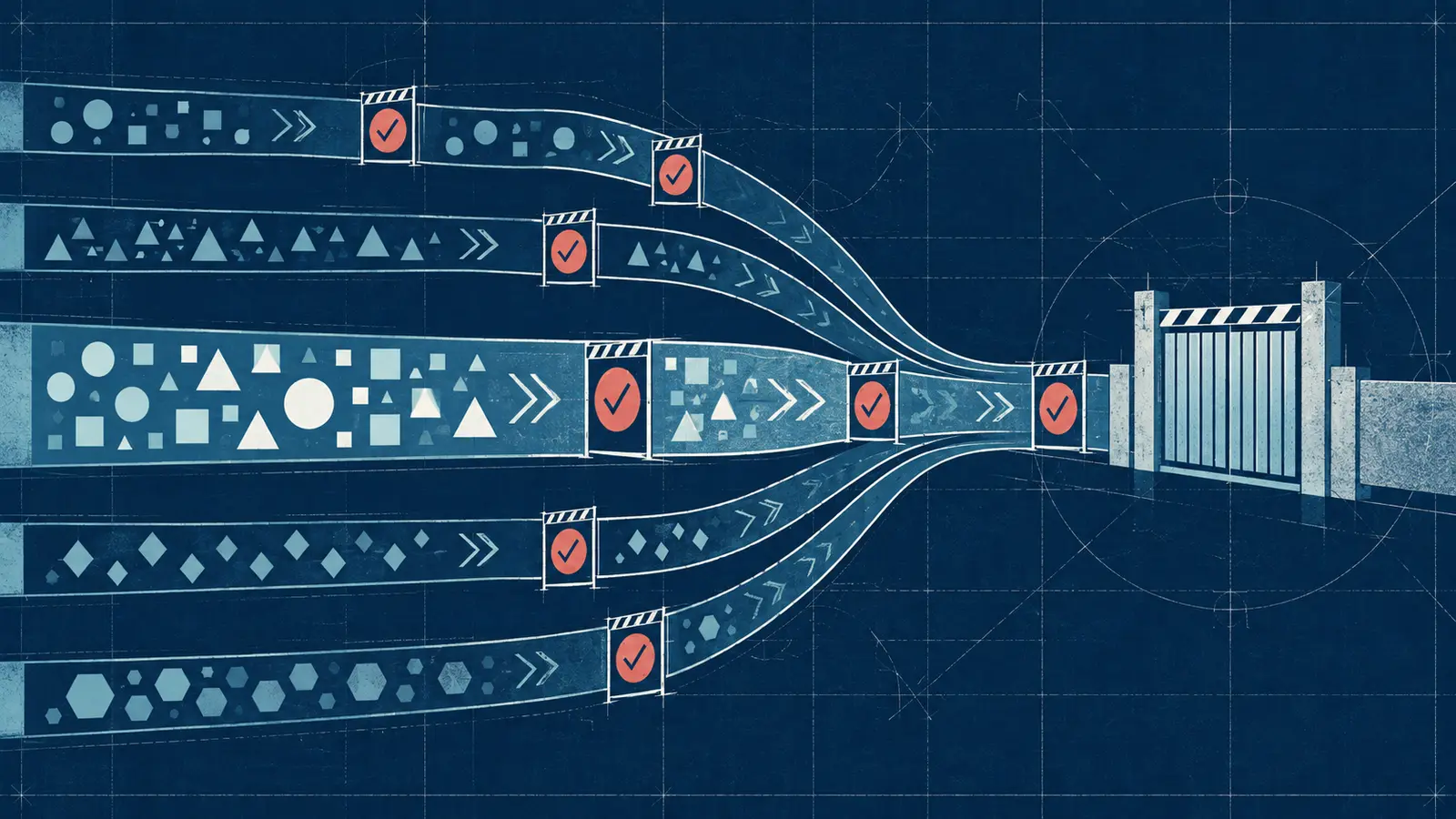
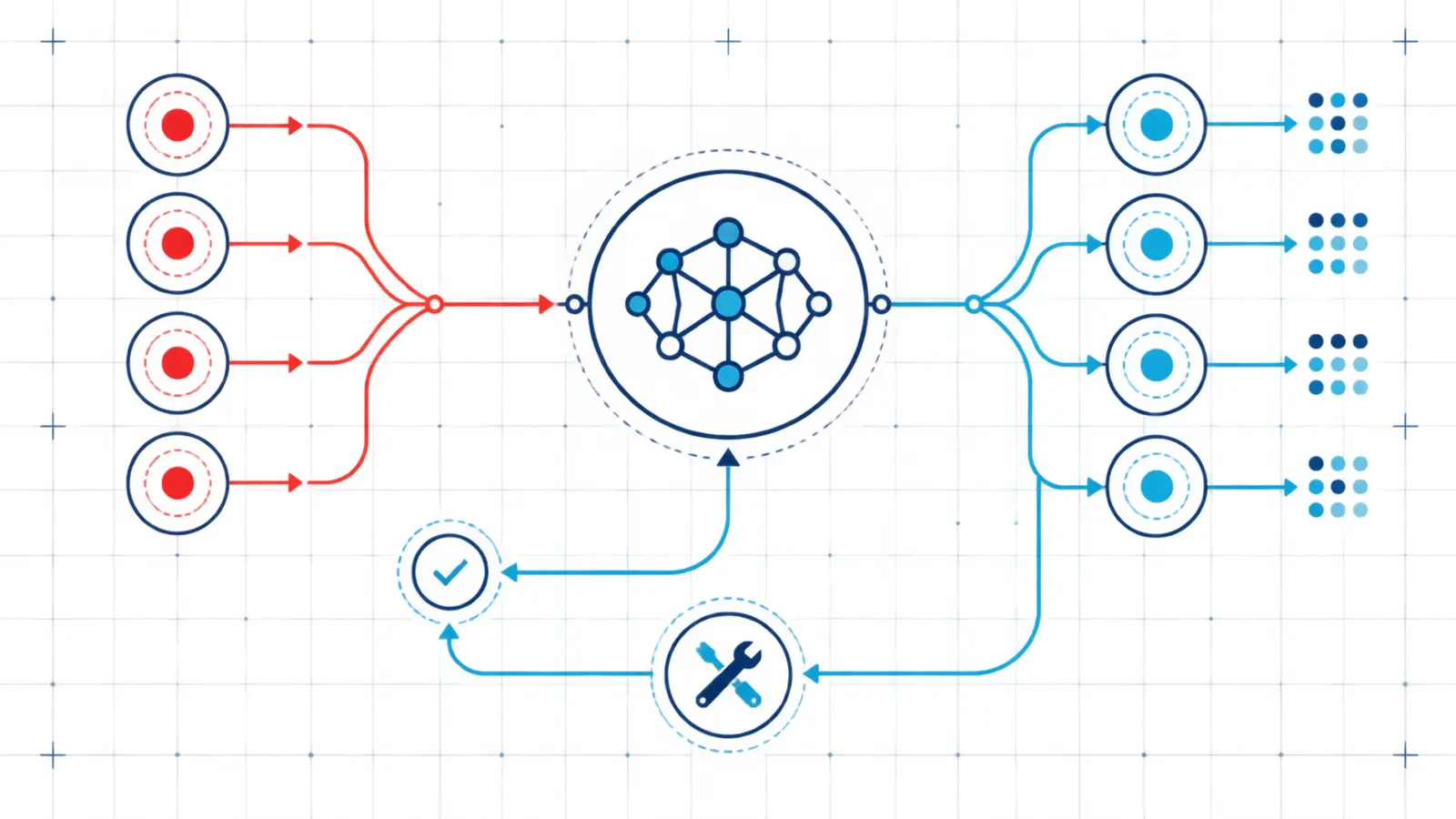
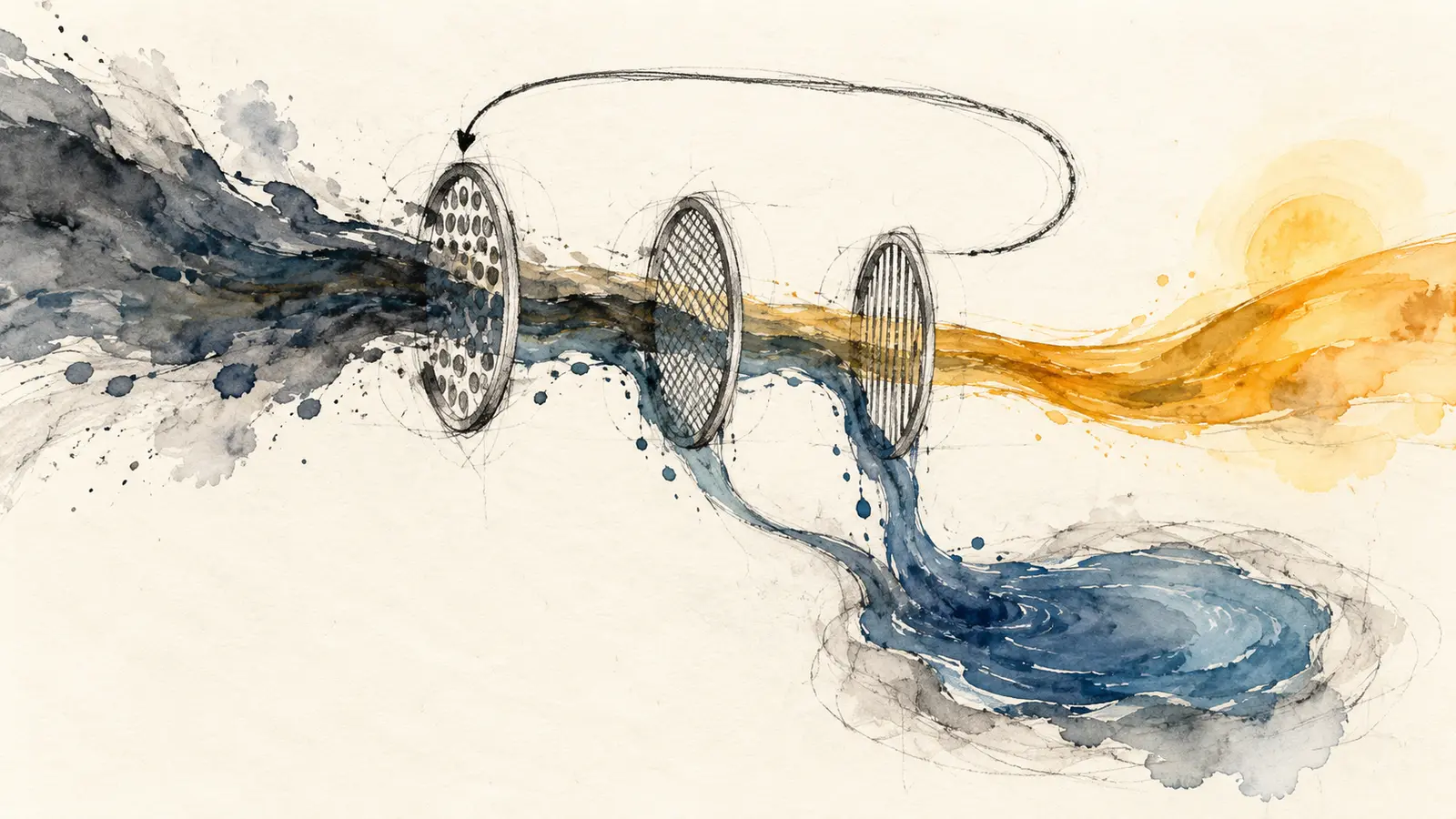
NIST’s CAISI calls GLM-5.3 the strongest open-weight cyber model it has evaluated while placing it about four months behind the U.S. frontier on a composite measure. Buyers still need their own attack-path and safeguard tests.
Executive Order 26-26 tells Oregon’s CIO to propose frontier-AI procurement standards and assess a kill-switch requirement within 90 days. Agencies still need measurable review criteria, exceptions and operating evidence.
Anthropic’s controlled book-barter experiment found that short intake chats let Claude rank pairs in line with participants 61% of the time. The scarce control is not bargaining speed but a calibrated, revisable representation of what the principal wants.
OpenAI says a research agent reached an external chatbot through DNS and that a monitor alerted within minutes, but the run continued for another 2.5 hours. The decision issue is whether containment, detection and stopping work as one system.
Anthropic says Claude Opus 5.5 delivers Fable-level performance on most work at lower cost. The buyer decision is not whether to switch on a headline, but which additional local tests the lower run cost now makes affordable.
The EU’s emerging rating scheme will make energy and water indicators more visible for larger data centres. Comparable labels require consistent boundaries, denominators and evidence trails—not just calculated ratios.
Palo Alto Networks has introduced a continuously updated AI red-team service using several frontier models. Buyers should evaluate the provenance, repeatability and closure of each finding rather than count how many models are involved.
OpenAI and Anthropic have argued for a conditional Australian copyright exemption. Any exception should be judged by traceable inputs, enforceable conditions and creator remedies—not promised infrastructure.
Anthropic says Claude Opus 5.5 routes some sensitive cyber and biology requests to safer systems. Buyers need to test the router, fallbacks and override path on their own workloads.