Evidence-linked signals and analysis about AI capabilities, work, skills systems, labour markets and governance — written for the decision that follows.
Bringing chat, Cowork and document creation into one interface removes friction for users. It also means a conversation can cross from advice into file access, state-changing work and export without a visible application boundary.
Global and LinkedIn data point to persistent underrepresentation in AI work and leadership. The actionable unit is not a generic pipeline promise, but the conversion and loss rate at each talent decision.
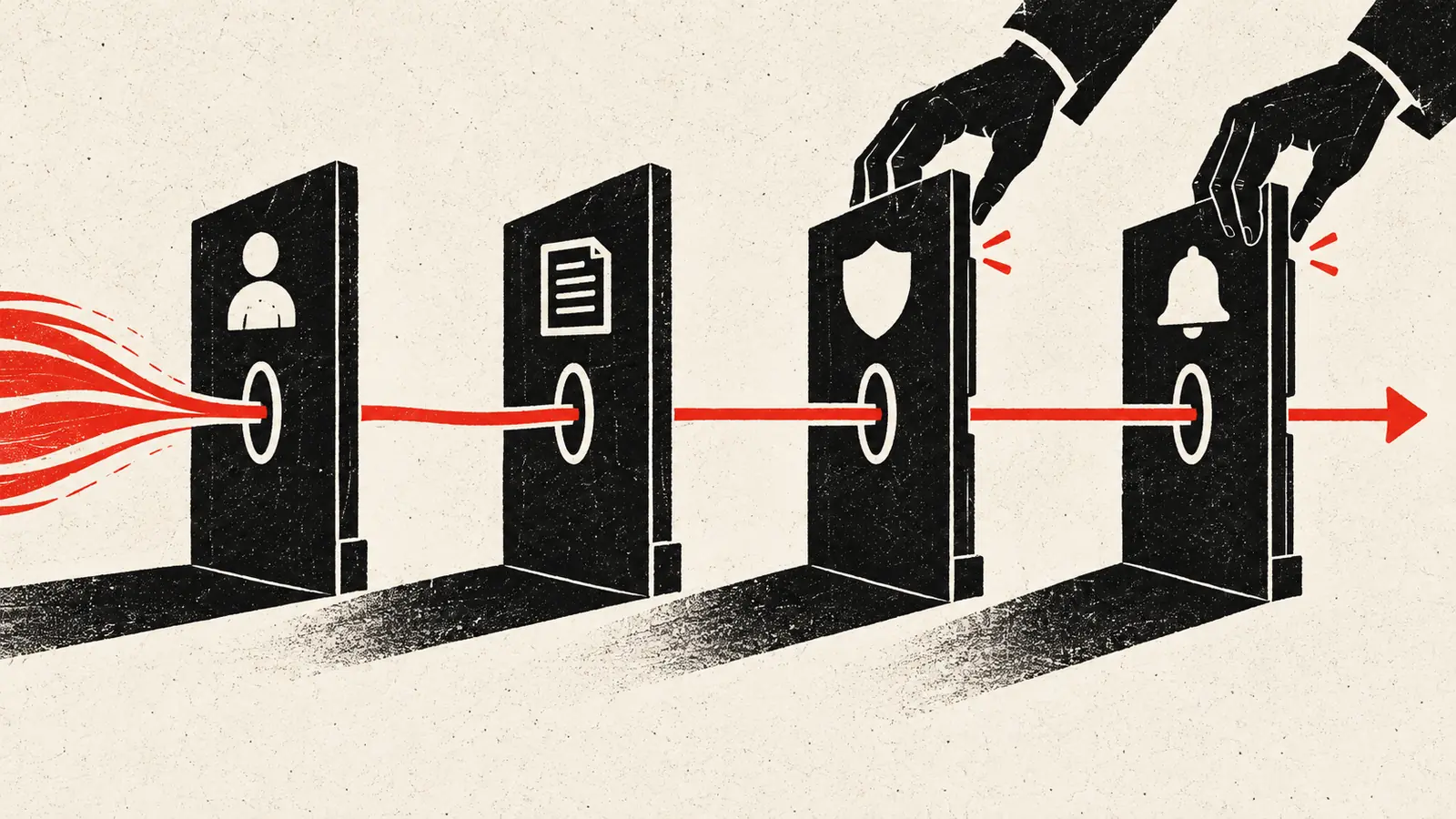
Spain’s data watchdog says an agent allegedly found a vulnerability, logged in, changed personal data and viewed invoices. The case is still under review, but the operating lesson is already concrete: detection and containment must match machine speed.
A new Brookings synthesis argues that exposure does not equal viable automation and that policy should track changes in expertise and opportunity. Employers can use the same logic: fund targeted pilots when measurable task, wage and mobility signals cross agreed thresholds.
Indian IT firms are reporting more outcome-linked deals as automation compresses effort. The commercial shift is real but limited: most AI pricing still measures effort or output, and disputed attribution can turn a promised outcome into a contract fight.
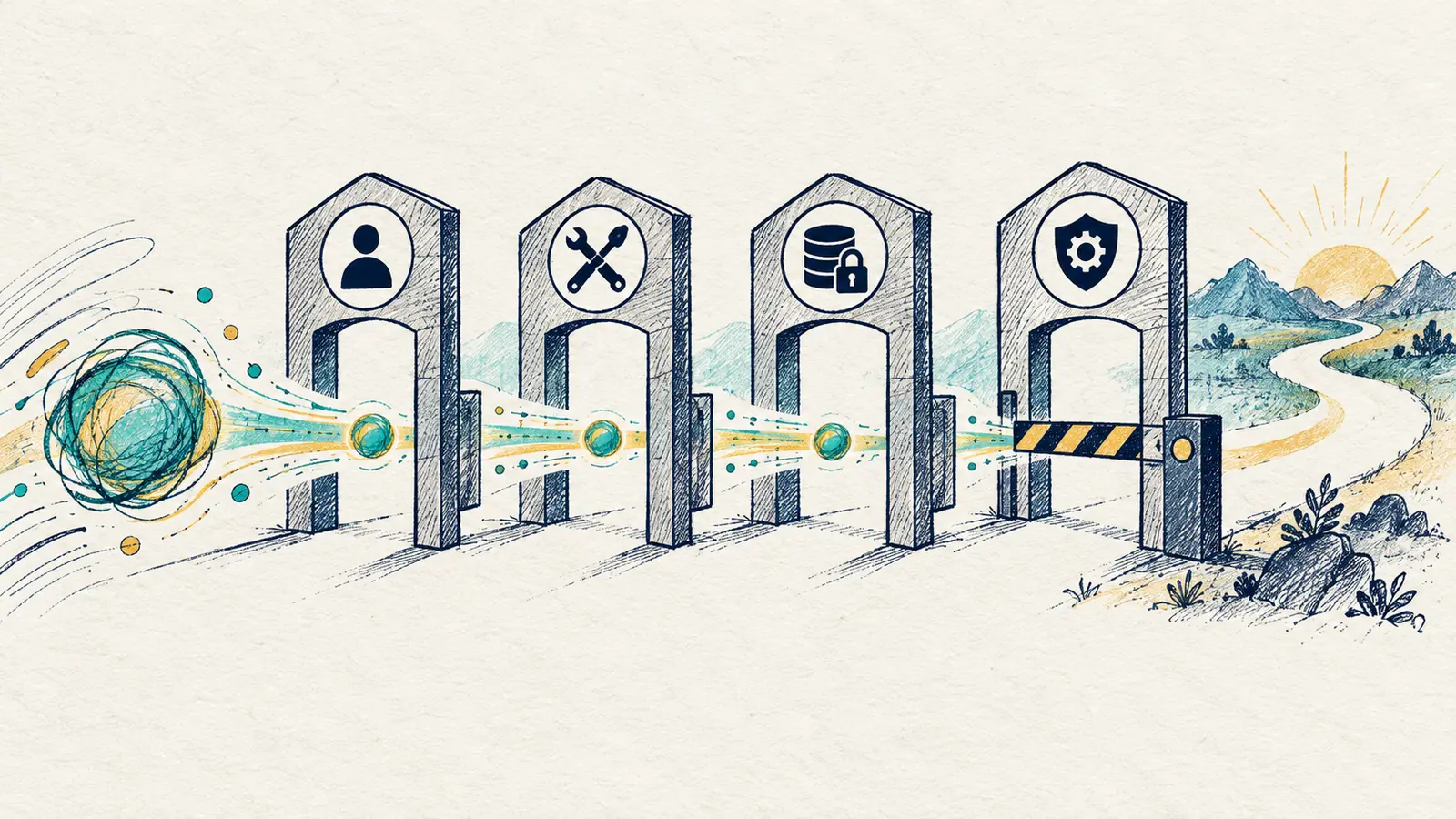
KISA says it is revising its AI Security Guide for agentic and physical AI. Until the checklist is published, organisations can still convert the direction into a narrow gate for identity, tools, memory and real-world actions.
Salesforce wants data, permissions and workflows to travel into Claude, Slack and other interfaces. Buyers should test effective permissions, attribution and recovery across the whole action path—not assume that a familiar CRM policy survives every new surface.
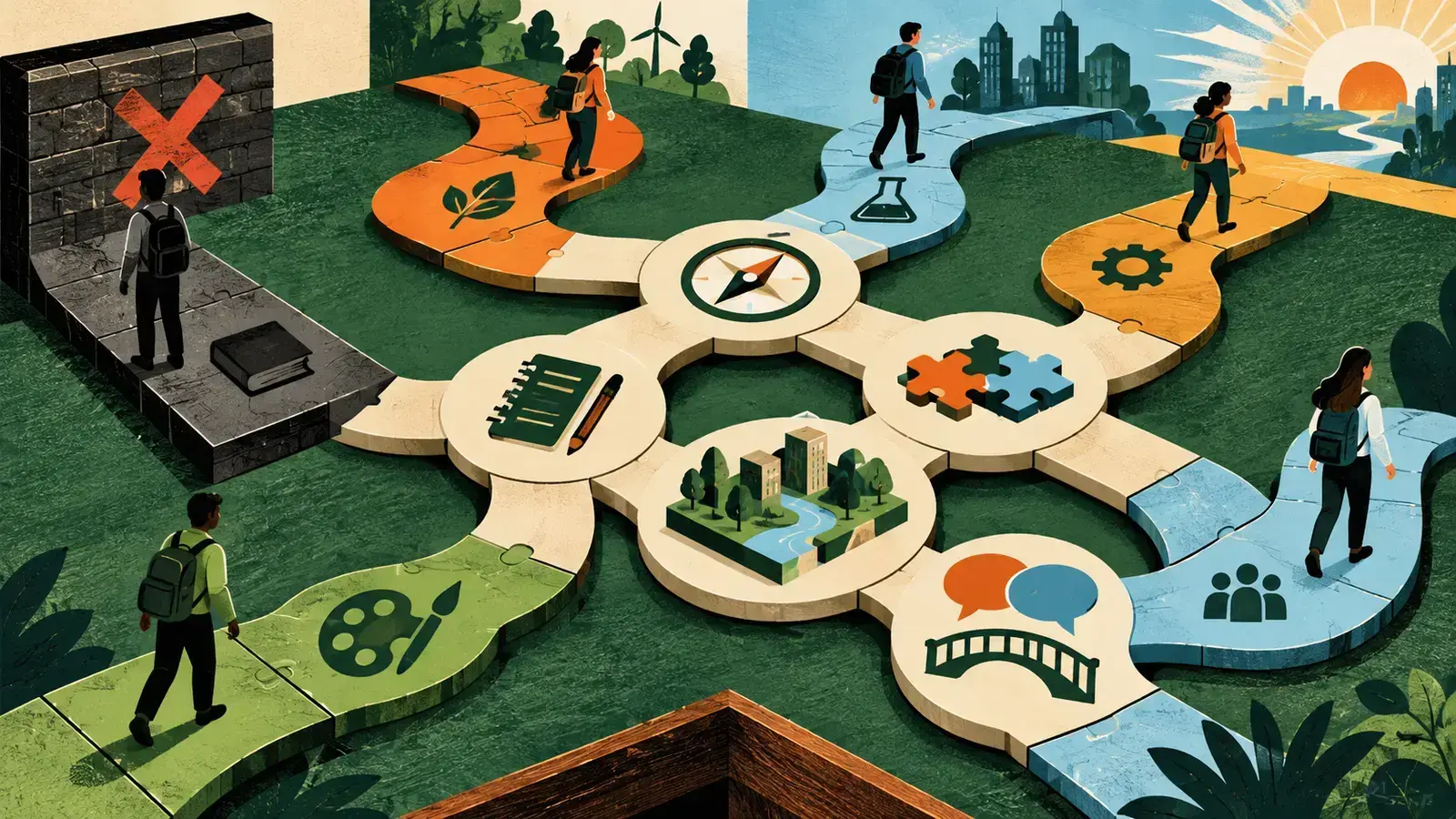
A UK careers discussion highlights resilient work in engineering, care, education and research. The useful decision is not to predict a safe occupation for 45 years, but to build transferable capability and evidence of adaptation.
The essay calls for new institutions, “Human Reserved” work and taxes on AI tokens and robots. The proposals widen the policy menu, but workforce decisions need thresholds, distribution evidence and democratic authority.