Bain-related reporting says 6% of marketing organisations see significant AI impact, while BCG says nearly half of companies create meaningful value. The gap is a methods question before it is a market conclusion.
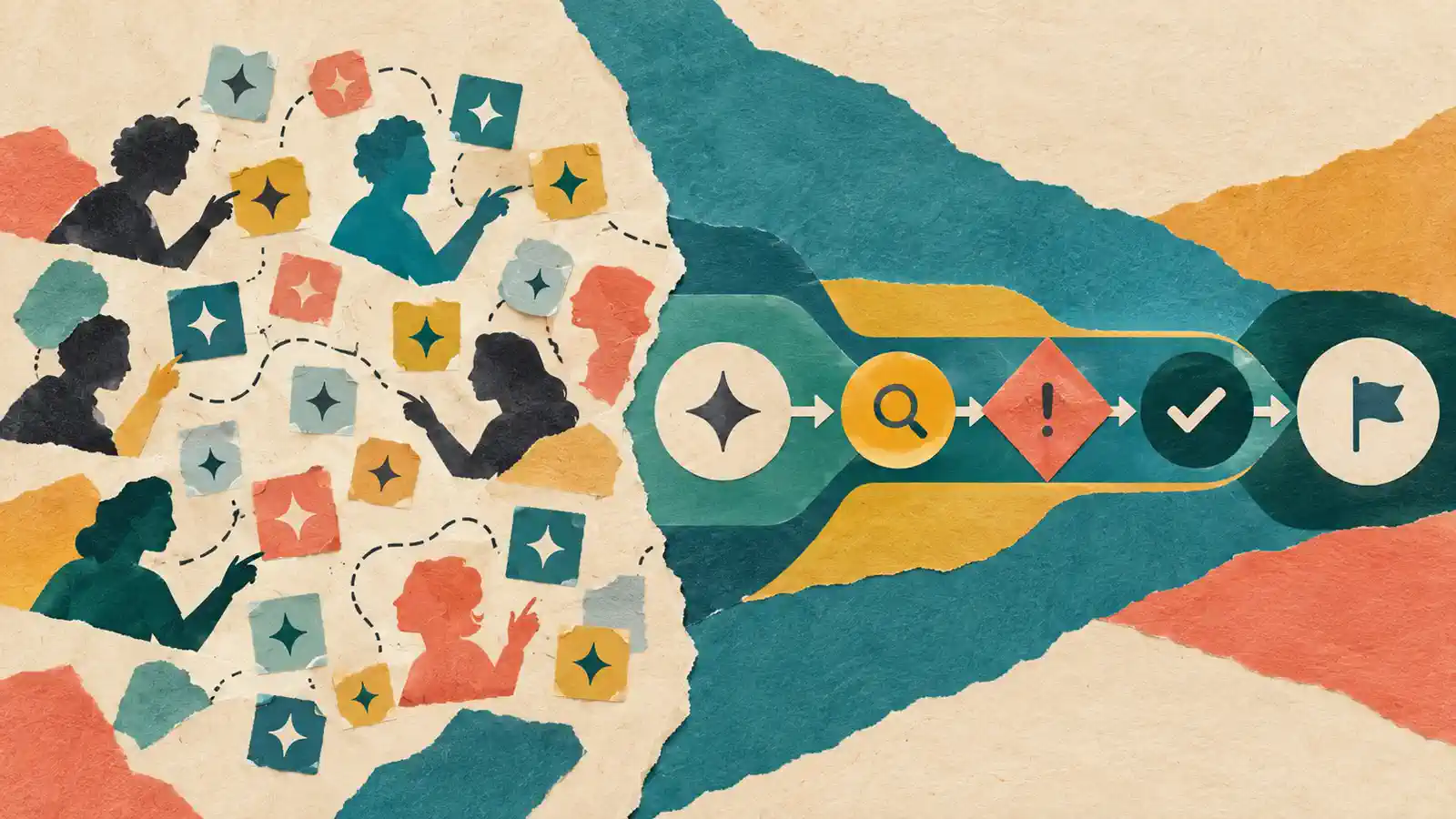
OpenAI’s Dots can operate persistently with identities, tools and enterprise access. Organisations should inventory each delegated authority, approval boundary and human handoff before expanding autonomy.
Reports that Multiverse uses automated transcript analysis to flag instructor performance show why a monitoring signal must remain traceable, reviewable and open to correction before it affects a person.
Six banks proposed voluntary principles for AI-mediated shopping and payments around transparency, safety, privacy, choice and interoperability. Product teams still need an enforceable mandate, liability map and redress test for each transaction.
A Harris Poll survey of 755 U.S. HR and learning leaders found greater confidence in knowing which skills jobs need than in knowing whether employees possess them. That is a measurement problem, not proof of a workforce deficit.
An OECD report proposes AI-supported matching for employment services in Belgium and Greece while stressing fragmented data, human judgement and gradual deployment. The first design artefact should define the service decision, evidence and appeal path.
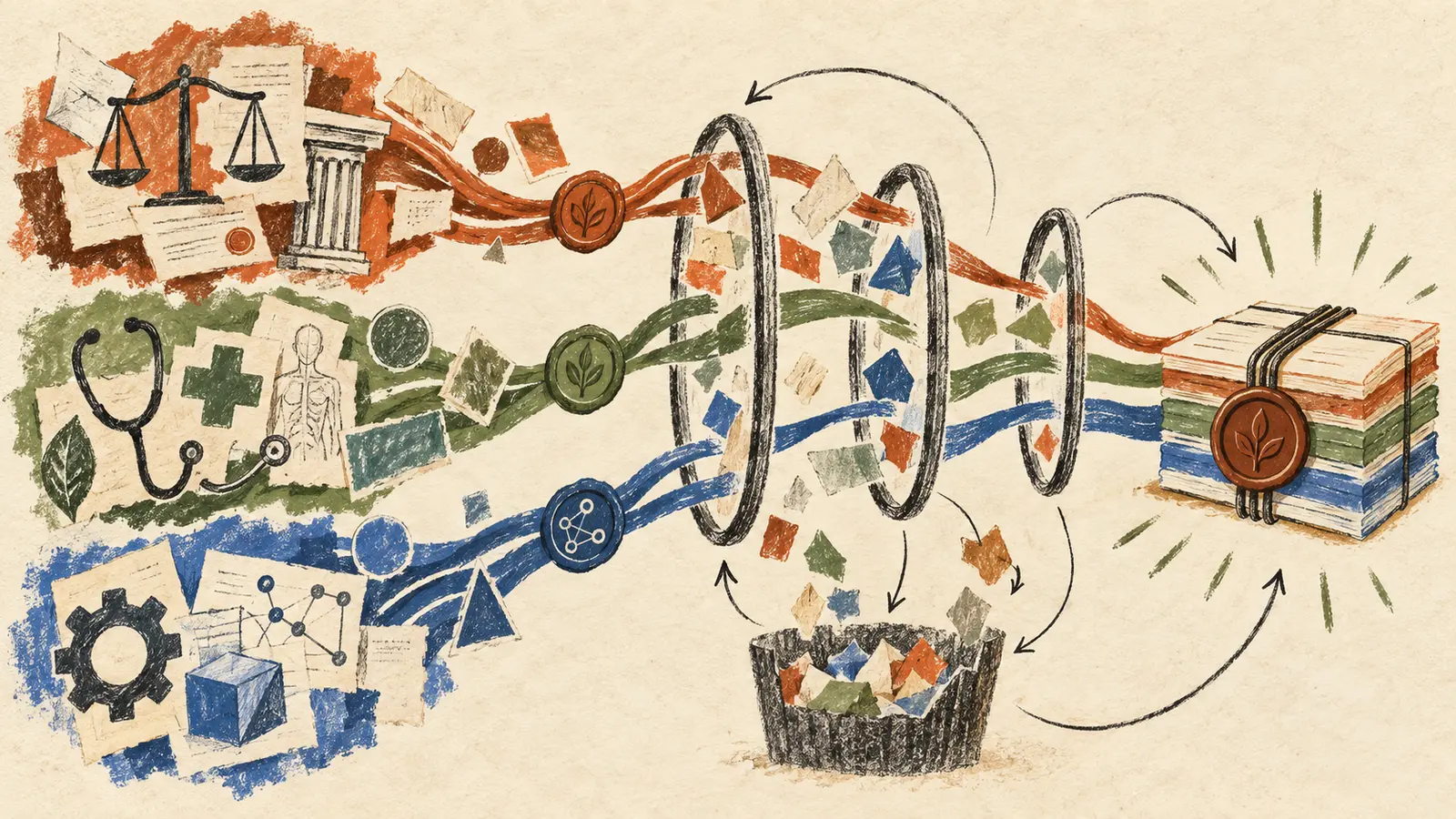
Snorkel AI’s new funding highlights demand for expert-authored datasets and reinforcement-learning environments. Buyers still need to see who exercised judgment, how rubrics changed and where automated quality checks failed.
The Agent Skills format makes reusable instructions and resources portable across AI tools. That convenience creates a supply-chain boundary: organisations need provenance, review, version pinning and revocation before a skill can act.
A large UK workforce survey reports broad GenAI exposure, while other research shows uneven workplace adoption. Leaders need task-level measures of repeated, governed use before declaring a process transformed.