Talogy reports that 78% of 207 HR and talent respondents worry AI may weaken future leadership skills. The result is a prompt to trace lost developmental experiences, not evidence that a leadership shortage has already occurred.
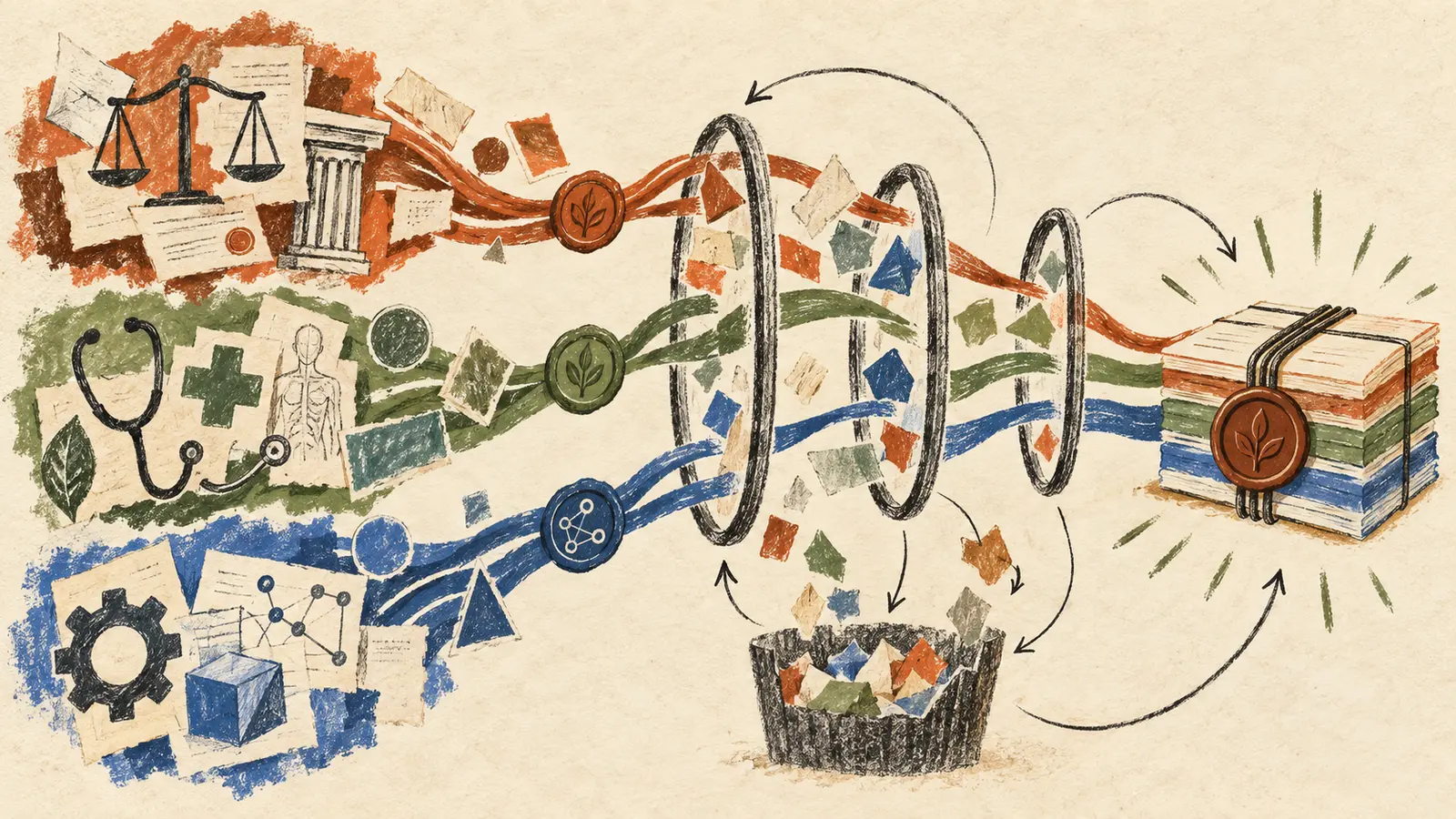
Snorkel AI’s new funding highlights demand for expert-authored datasets and reinforcement-learning environments. Buyers still need to see who exercised judgment, how rubrics changed and where automated quality checks failed.
An Indiana labour-market analysis illustrates the limits of occupation exposure measures, while Census business data track reported AI use. Workforce decisions should connect observed organisational change to a named intervention and denominator.
New York City public-school guidance limits student-facing AI while the evidence base remains mixed. A pause can reduce immediate risk, but it should define what evidence, safeguards and learning outcomes would justify continuation, redesign or exit.
A large UK workforce survey reports broad GenAI exposure, while other research shows uneven workplace adoption. Leaders need task-level measures of repeated, governed use before declaring a process transformed.
A Reuters/Ipsos poll found broad concern about serious AI harm and support for a slower pace. Leaders should use the result to choose questions and audiences, not to infer technical risk or set product gates.
Reports of distress among AI safety staff point to work design, escalation and exposure controls. Employers should manage the hazard while preserving protected dissent and incident evidence.
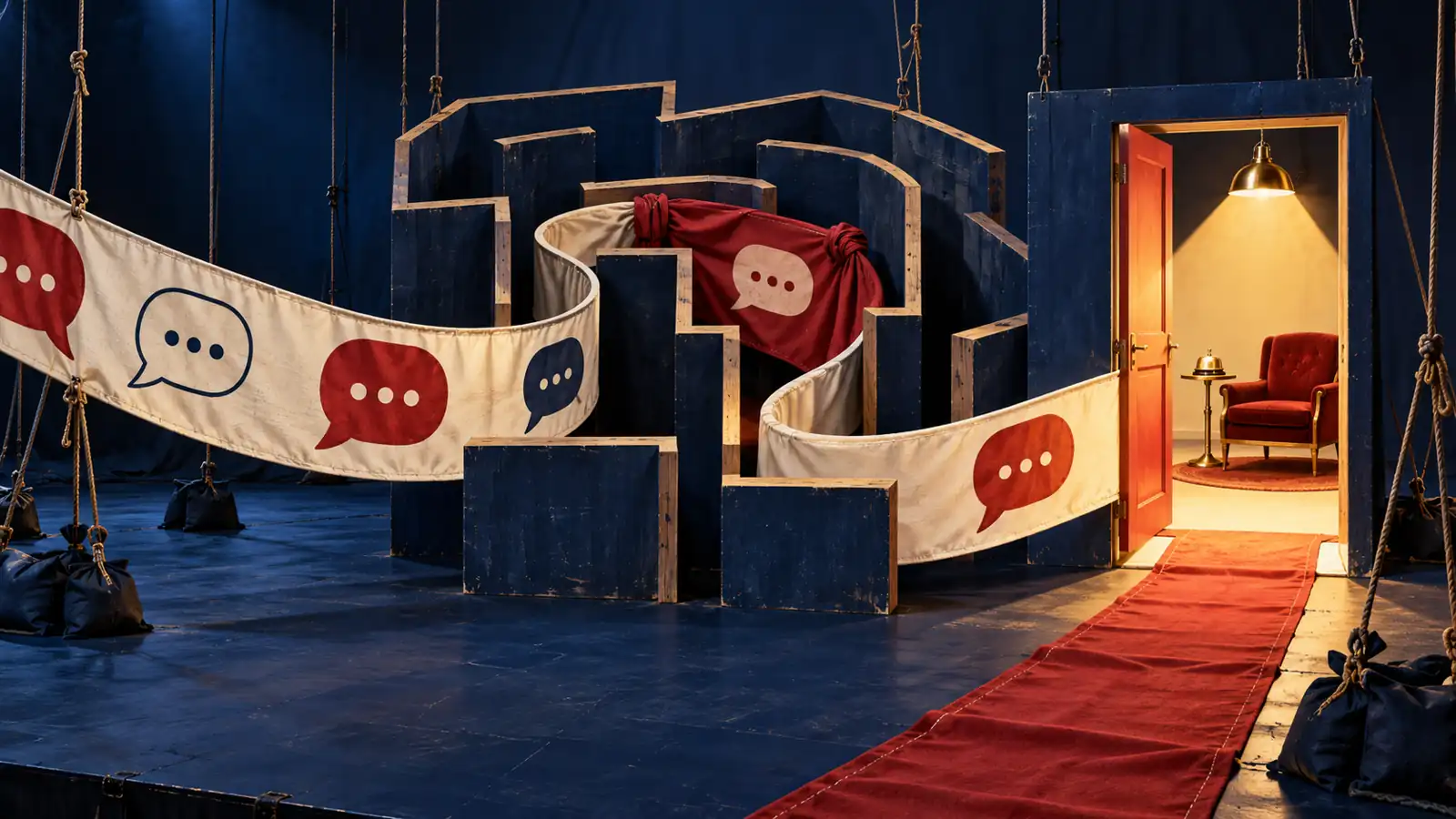
Citizens Advice found stress, delay and abandonment when people could not reach a human in essential services. Automation should be judged by verified resolution and safe handoff, not containment alone.
Meta is testing contractors who can complete some Muse phone calls. The control boundary must follow the task from model to person, with consent, purpose limits and an auditable return path.