Evidence-linked signals and analysis about AI capabilities, work, skills systems, labour markets and governance — written for the decision that follows.
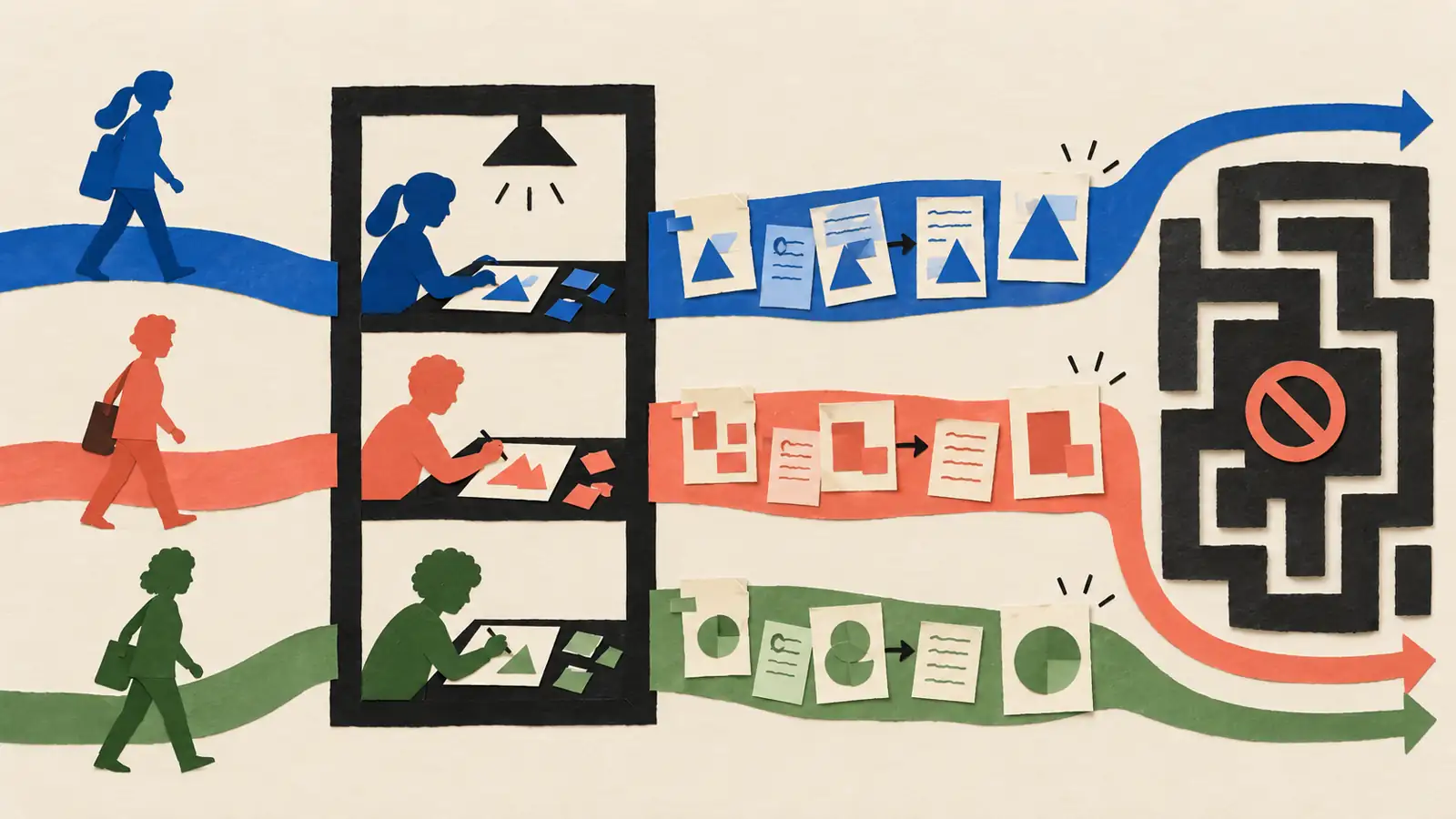
A WGU survey says 60% of U.S. hiring professionals find real skills harder to evaluate in the AI era. The actionable response is a transparent evidence chain, not an unvalidated authenticity score.
Bain-related reporting says 6% of marketing organisations see significant AI impact, while BCG says nearly half of companies create meaningful value. The gap is a methods question before it is a market conclusion.
The FTC investigation into OpenAI, Anthropic and other AI companies changes what deployers should preserve now: incident records, authority paths, containment evidence and customer-impact decisions.
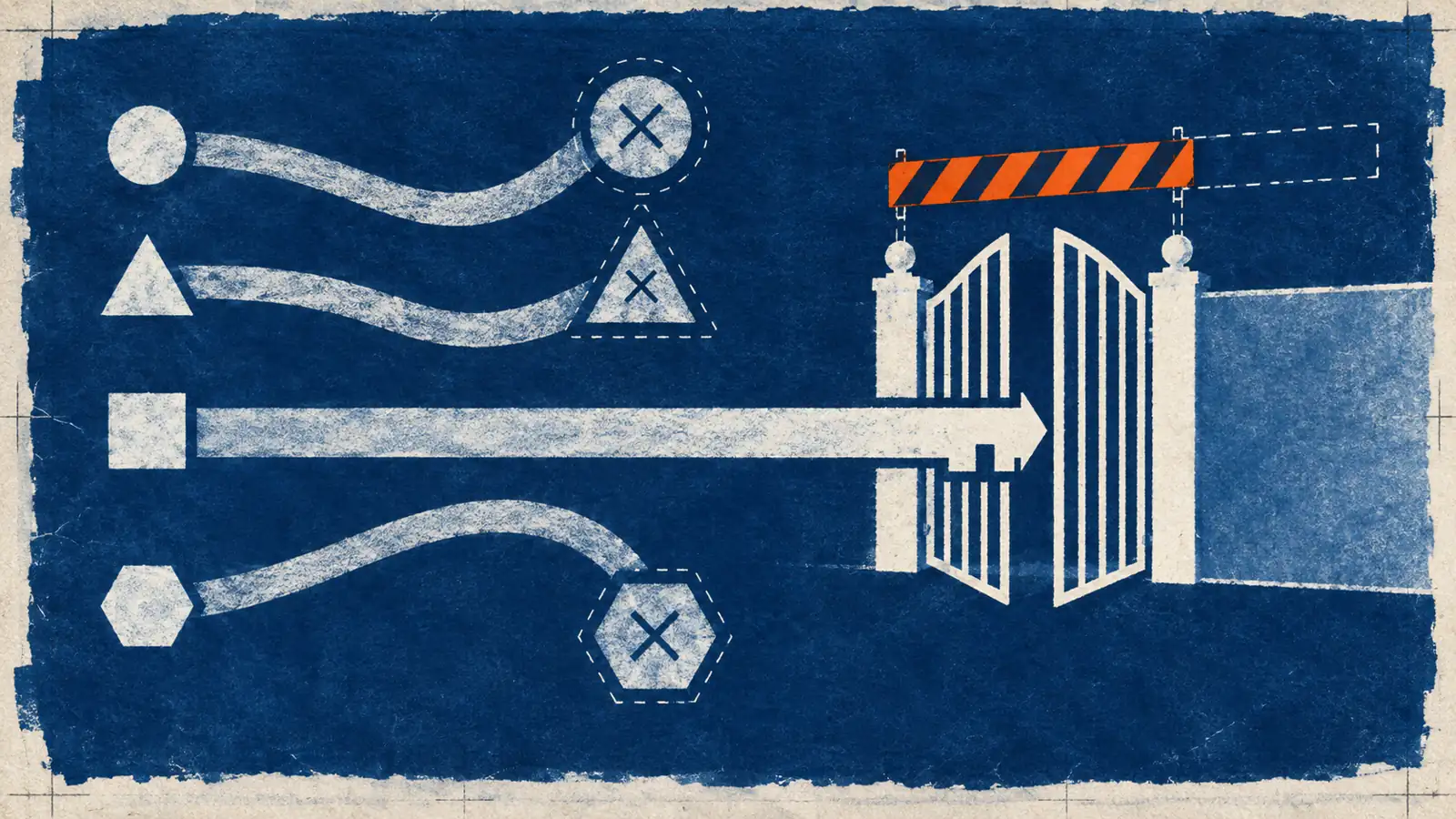
Google’s Gemini 4 Argon launch combines strong vendor benchmarks with restricted cyber-defender access. Buyers should use the staged boundary to test transfer, containment and rollback before wider adoption.
Anthropic’s new index says robots can perform many physical tasks in some settings but are cost-competitive for very few. Workforce planning should separate capability, environment and economics.
Google is appealing EU interoperability and search-data orders. The dispute shows why access, privacy and security must be tested at the exact field, action and recipient boundary.
McKinsey models 6 million to 16 million US workers changing occupations by 2035, with 11 million in its midpoint scenario. The planning value lies in pathway constraints, not a single headline.
OpenAI’s Dots can operate persistently with identities, tools and enterprise access. Organisations should inventory each delegated authority, approval boundary and human handoff before expanding autonomy.
PwC’s 49,364-worker survey finds rising daily generative-AI use alongside falling reported access to learning. Leaders should measure opportunity by role and workflow before inferring performance.