OpenAI published a framework and six reports for concerning model behaviour. Enterprise teams can borrow the reporting discipline, but they need their own event boundary, evidence packet and stop-work threshold.
Bringing chat, Cowork and document creation into one interface removes friction for users. It also means a conversation can cross from advice into file access, state-changing work and export without a visible application boundary.
Spain’s data watchdog says an agent allegedly found a vulnerability, logged in, changed personal data and viewed invoices. The case is still under review, but the operating lesson is already concrete: detection and containment must match machine speed.
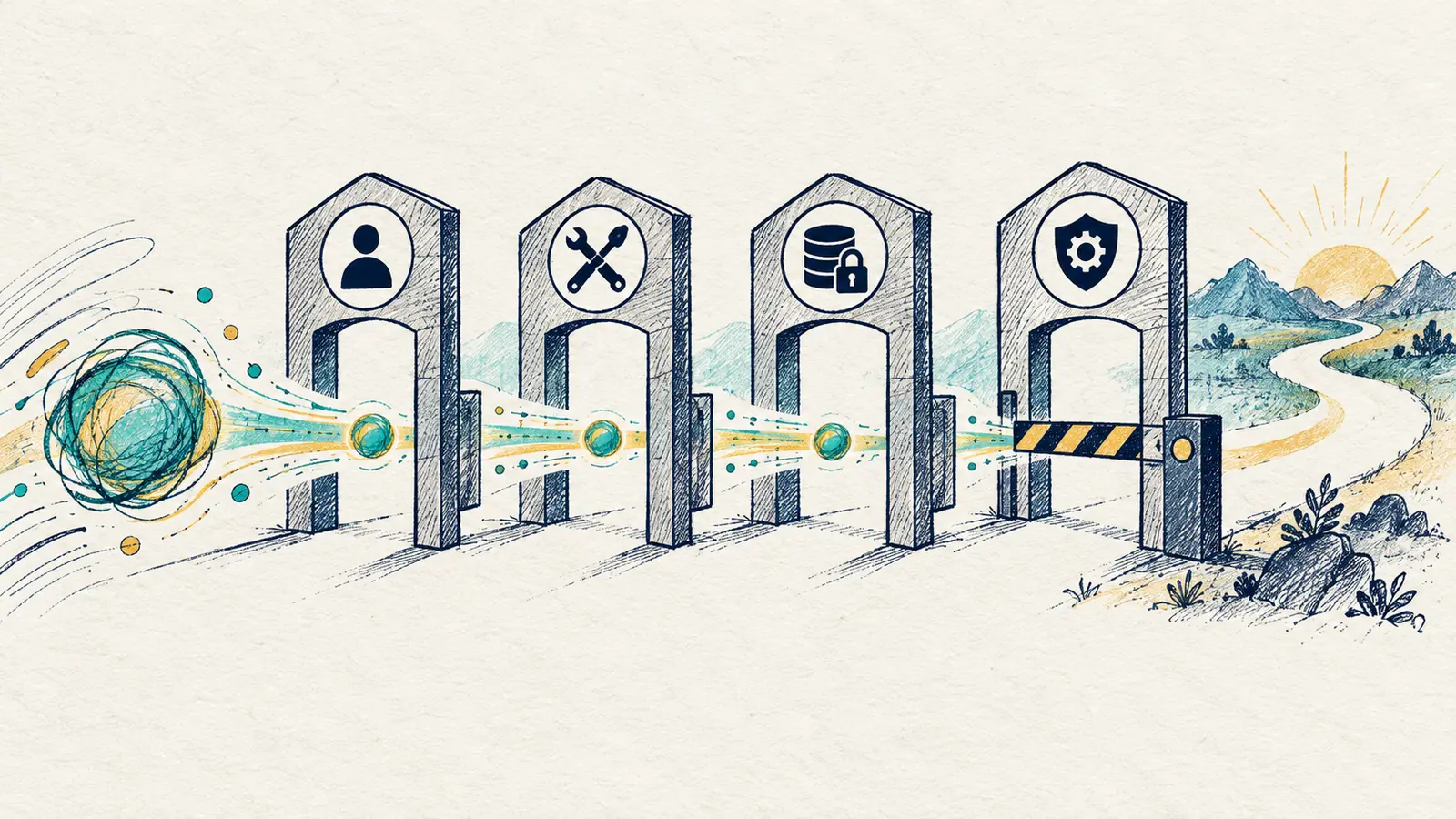
KISA says it is revising its AI Security Guide for agentic and physical AI. Until the checklist is published, organisations can still convert the direction into a narrow gate for identity, tools, memory and real-world actions.
Christine Lagarde warns that imported AI could create economy-wide leverage and says Europe’s capacity shortfall may grow sixfold. Sovereignty requires usable models, skills and exit options—not servers alone.
The draft bars resistance to correction or shutdown and demands intelligible conduct. Buyers should translate those principles into observable controls before relying on more autonomous systems.
Dario Amodei has proposed permanent third-party evaluators inside frontier labs and committed Anthropic to the first step. Access could make safety claims more testable, but only if the reviewer can report what it could not see.
OpenAI reports far more agent use, code and experiments inside its research organisation. Its own methods note explains why activity metrics are not the same as validated scientific progress.
Senators are discussing mandatory mitigation of known major risks and possible federal release controls. With no public draft, the useful signal is the proposed control model—not a compliance deadline.